NAPSA
LEADERSHIP
The Board Members, Regional Representatives and Staff who support our mission every day. Please CLICK HERE for a full copy of the 2024-2026 NAPSA Strategic Plan.

NAPSA
Kez Wold, President
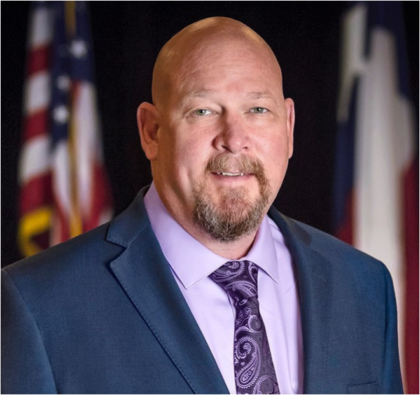 Kezeli (Kez) Wold serves as the Associate Commissioner for Adult Protective Services at the Texas Department of Family and Protective Services. Texas Adult Protective Services is a nationally recognized program known for its innovation and client services. His management skills are backed by many years of health and human services experience. He started his career in protective services in June 1996. Kez was both a child and adult protective services caseworker, front-line supervisor, subject matter expert in risk and self-neglect, program administrator, and regional director. Prior to his selection as the Associate Commissioner for APS, Kez was the Director of Field for seven years. He has a Bachelor of Arts degree in Political Science from Texas Lutheran College and a Master’s in Public Administration from Texas State University.
Akiles Ceron, President-Elect
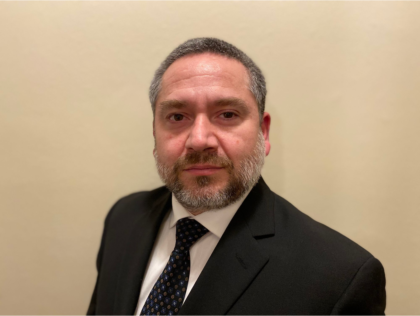 Akiles Ceron, MSW is the Adult Protective Services (APS) Program Director for the City and County of San Francisco, CA. He earned his Master’s in Social Work from California State University Long Beach. He has been a public servant for 25 years, working in various capacities within the APS program. He has been an instructor for three APS Regional Training Academies, training on Working with the Self-Neglecting Client and on Elder and Dependent Adult Financial Abuse. He has participated in the California Welfare Directors Association’s Protective Services Operations Committee, and its Consistency Workgroup since 2010. The workgroup develops and maintains the CWDA’s APS guidelines to supplement regulations, and has developed guidance on Consistency in Case Documentation, Consistency in Findings, and Consistency in Outcomes in APS.
Alexandria Brown, Treasurer
 Ali Brown is the APS Program Administrator with the North Dakota Department of Human Services – Aging & Adult Services Division. She began her work in Adult Protective Services (APS) as an Investigator in 2014 and has been serving vulnerable populations since 2006. Ali is a Licensed Baccalaureate Social Worker and holds a Bachelor’s degree in Social Work.
She developed a local APS Multi-Disciplinary Team and has held leadership roles in regional groups focused on supporting older adults and vulnerable individuals.
Ali has extensive experience providing training to law enforcement, financial institutions, nursing organizations, and a wide range of community partners on abuse, neglect, and exploitation. Her work reflects a strong commitment to strengthening systems that protect vulnerable adults while promoting self-determination and best practices in APS.
Iris C. Freeman, Secretary
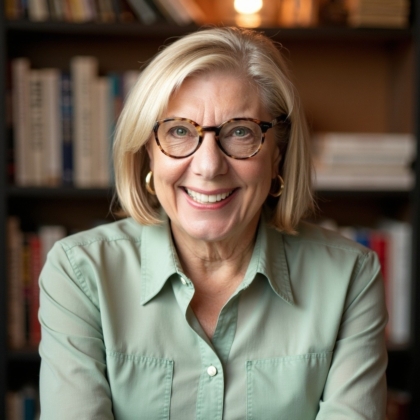 Iris C. Freeman, MSW, is a longtime advocacy leader in public policy for older adults. She is the Founding Board Chair of the Minnesota Elder Justice Center and remains active on its webinar faculty. As an educator, she taught Elder Justice and Policy classes to Mitchell Hamline College of Law students from 2008-2021. Earlier, she taught Community Practice, Advanced Community Organizing, and Advocacy courses at the University of Minnesota Graduate School of Social Work from 2003-2008.
In 2002, she was honored by the School of Social Work as its Alumna of the Year and in 2010 as a Distinguished Alumna of the University’s College of Education and Human Development. In 2011, she was selected by The Consumer Voice to receive the Elma Holder Founder’s Award for leadership in long-term care. In 2012, she was named a Leader in Public Policy by the Capitol Report/Politics in Minnesota journals. She received the 2015 National Adult Protective Services Association’s award for Advancing the Field through Collaboration in recognition of forty years work to build coalitions for elder justice. She and her husband, Warren Woessner, were honored for their leadership by the Minneapolis Legal Aid Society in 2019.
Ms. Freeman directed the Advocacy Center for Long-Term Care for over 20 years and was Director of Public Policy at the Alzheimer’s Association, Minnesota-Dakotas Chapter from 2000-2003. She has brought long-term care consumer perspectives to state and local working groups and lawmakers since the 1970’s as staff in these organizations and, later, as a public policy advisor to seniors’ and labor organizations. Throughout, she has served on numerous local and national boards and advisory committees. These currently include the National Adult Protective Services Association Board of Directors, where she serves as Secretary and Chair of the Public Policy Committee.
January 2026
Carol Dayton
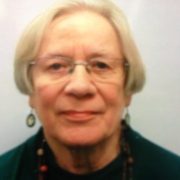 Carol Dayton’s career has focused on services to older adults and those at risk of harm with the goals of improving service delivery systems, creating innovative collaborations that are sustained over time, and demonstrating a belief that the older and vulnerable adult has dignity and value that can be supported and enhanced. Carol has been a presenter in the field of aging and elder abuse in the Cleveland area, throughout Ohio and at national conferences. She retired from the Cuyahoga County Department of Senior and Adult Services in May 2005, after serving as Chief of Adult Protective Services since 1993. Her commitment to protecting vulnerable adults continues through her ongoing participation and leadership on national, statewide, and local boards, commissions, and committees. Ms. Dayton was appointed Co-Chairperson of the joint Research Committee for the National Adult Protective Services Association (NAPSA) and National Committee for the Prevention of Elder Abuse in 2007, which is an ongoing commitment. Currently identified as the NAPSA Research to Practice Interest Group, this commitment includes responsibility for quarterly Research to Practice Webinars, Research to Practice Briefs, a listserv and journal club, as well as other activities, including published documents and a journal article. Carol is on the NAPSA Board of Directors. Ms. Dayton is a Phi Beta Kappa graduate of the University of Illinois and received her MSW degree from the State University of New York at Buffalo. Ms. Dayton’s work is published in several journals, and she wrote the chapter on social work in The Clinical Management of Elder Abuse. Her work as a consultant includes the NAPSA Self-Neglect Study and the recent ODJFS/OSU research project, “Ohio’s APS Service System.” She has been the recipient of awards in recognition of her leadership and contributions to the field of aging.
Marian Liu
 Dr. Pi-Ju (Marian) Liu is an Assistant Professor at Purdue School of Nursing and a Faculty Associate in the Center on Aging and the Life Course at Purdue University. She conducts applied and translational research around elder justice issues, covering topics on elder abuse, neglect, and exploitation. She works with Adult Protective Services at the county and state level and was funded by the Administration for Community Living to measure effectiveness of Adult Protective Services’ referrals and services. She has impacted elder justice policy in California in areas such as building a statewide data system for Adult Protective Services, advocating for additional training for Adult Protective Services caseworkers and supervisors, providing effective services for elder abuse victims, and providing additional long-term services and supports for people with both Medicare and Medicaid. She is also the Co-Chair of the Research-to-Practice Interest Group. Prior to joining Purdue University, Dr. Liu was an Assistant Professor at University of California, San Francisco.
Carol Stamatakis
Carol Stamatakis is a dedicated advocate for older adults and people with disabilities, serving in the New Hampshire legislature and providing over 25 years of leadership as a lawyer and administrator in aging and disability services in New Hampshire and Vermont. She is a member of the NAPSA Public Policy Committee, has presented at national and regional conferences, including NAPSA, USAging, and the National Association of Councils on Developmental Disabilities (NACDD), and has provided grant writing consulting for NAPSA.
As Legal Coordinator for Elderly and Adult Services in New Hampshire, she provided program guidance and legal and legislative representation to State administrators of programs including Adult Protective Services, Long-Term Care Ombudsman and Long-Term Care Medicaid, including Nursing Home Survey and Certification. She coordinated the
agency legislative agenda and played a leadership role in initiatives to strengthen laws and policies on abuse, neglect and financial exploitation of vulnerable adults, end of life care, nursing home resident rights and access to home and community-based care. As Executive Director of the New Hampshire Council on Developmental Disabilities, she
supported the development of self-advocacy, built coalitions with aging and disabilities groups and supported and empowered people with disabilities to access the political process and speak for themselves on matters that impact their lives, including abuse prevention.
As Executive Director of Senior Solutions, an Area Agency on Aging in Vermont, she developed Vet-to-Vet and other volunteer visitor programs, was active with the Vermont Financial Abuse Specialty Team (FAST) and secured grant funding from the US Department of Justice OVW “Abuse in Later Life” program to develop a pilot for a coordinated
community response around abuse in later life. She is a graduate of Case Western Reserve University School of Law in Cleveland, Ohio and is a licensed attorney in New Hampshire and Vermont. She served three terms in the New
Hampshire legislature. She is a trained hospice volunteer, a National Certified Guardian and a certified Professional Guardian in New Hampshire. In recent years she served as Vice-Chair of the New Hampshire Commission on Aging and a member of its public policy committee. She currently provides estate planning services to individuals and consulting
services including grant writing and administration for governmental agencies and non-profits. She has served for many years as a Cemetery Trustee in Lempster, New Hampshire, where she resides, and is currently involved in developing “green burial” options.
Rodnée Warr
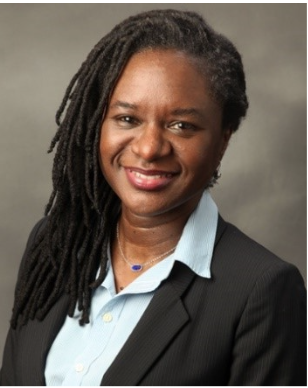
Rodnée Warr leads the Elder Client Initiatives Team within Wealth & Investment Management (WIM).
She has 20 years of experience in mitigating risk for older adults through legal, risk and compliance departments. She has a master’s degree in Gerontology. This provides her with a unique knowledge of the psychological, sociological, and financial aspects of aging. She leads a team of individuals who provide guidance to Wells Fargo Advisors and Wealth Investment Management relationship managers on elder and vulnerable financial exploitation and diminished capacity. She develops specialized training tools such videos, pamphlets, brochures to educate customers on elder financial exploitation and scam. She conducts elder and vulnerable financial exploitation training internally and externally. Her aim is to equip Wells Fargo employees with the knowledge and skills to serve mature customers more effectively.
Each year through her innovative curricula thousands of Wells Fargo employees participate in programs that equip them with the knowledge and skills to serve mature customers and enhance employee satisfaction more effectively.
In the broader community, Ms. Warr is active as a member for such organizations as:
Ms. Warr presented at some national events such as National Indian Council on Aging Elders Conference, Midwest AML Conference, North American Securities Administrators Association, Upper Midwest ACH Association and American Society on Aging, CJEDA local presentations, Minnesota Elder Justice Center.
Cynthia Farrell (At-Large Board Member, Co-Chair), Elisa Beepath (Co-Chair), Development
Cynthia Farrell (At-Large Board Member, Co-Chair)
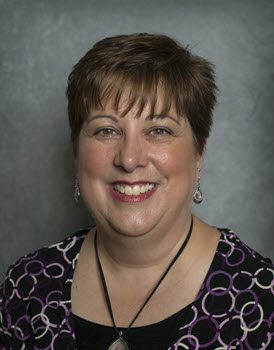 Cynthia G. Farrell is the Division Director of Adult Services within the Michigan Department of Health and Human Services (MDHHS). She has been with the State of Michigan for 32 years, with 31 of those years in Adult Services. Cynthia started her adult services career in Clinton County as an adult services worker managing three programs that included adult community placement, adult protective services, and independent living services. She came to the Office of Adult Services in 1998 as the policy writer and trainer for the statewide Adult Community Placement Program. In 2003, she became the Adult Services Supervisor for the Office of Adult Services overseeing the three adult services programs. In 2005, Cynthia became the State Administrative Manager for Adult Services through December 2022. In December 2022, Cynthia was promoted to the Director of the newly created Division of Adult Services.
She has a wealth of knowledge at the local, state, and federal levels and a great deal of experience advising adult services staff and partners on a vast array of program, financial and administrative issues related to adult protective services, community placement, nursing home facility closures, Medicaid, and other grant programs. In addition, her duties include ensuring the adult services programs effectively educate the public about the prevention of abuse, neglect, and exploitation of vulnerable adults as well as the implementation of preventive activities to improve the quality of life of Michigan’s most vulnerable adult residents.
Since 2003, she has been the state member of the National Adult Protective Services Association. Since March 2019, she has been a member of the Attorney General’s Elder Abuse Task Force. In 1990, Ms. Farrell earned her bachelor’s degree in human development with a concentration in gerontology from St. Mary’s College of Maryland.
Elisa Beepath (Co-Chair)
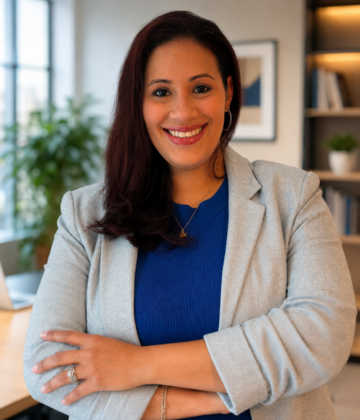 Elisa Beepath is one of three Protective Services Regional Managers for the Executive Office of Aging & Independence in the State of Massachusetts (MA) and holds the NAPSA certification. In her role, Elisa helps oversee the contractual responsibilities of protective services agencies and manages guardianship contractual requirements, including audits and program referrals. Additionally, Elisa serves as the Statewide Money Manager contact for contracting agencies, overseeing program and its perspective audits.
Elisa holds a master’s degree in criminal justice and is a licensed social worker in Massachusetts. With over a decade of experience in Protective Services, she has held various positions in the field such as field work, mentor, supervisory and managerial role, gaining extensive expertise.
Elisa is one of the State of MA original Master Trainers for the state’s use of the Interview for Decisional Abilities (IDA) tool, playing a key role in training professionals during the tool’s introductory period to Massachusetts Protective Services workforce. Elisa is passionate about training and has collaborated closely with community partners to provide educational training for both mandated and non-mandated reporters, including older adults.
She actively participates in the MA Housing Tenancy & Preservation Steering Committee and the MA Hoarding Disorder Resource Network (HDRN) meetings. Where she provides input on concerning situations and support in building bridges of communication with contracting Protective Services Agencies when necessary. Elisa also serves as Co-Chair of the NAPSA Development Committee alongside another fellow Protective Services professional. In this leadership role, she works with NAPSA staff and committee members to enhance the organization’s visibility, strengthen member engagement, cultivate strategic partnerships, and support fundraising ideas that further NAPSA’s mission.
Elisa is deeply passionate about supporting the older adult population and ensuring that Protective Services positively impact their lives. Elisa believes that effective partnerships and person-centered practices are essential to helping older adults live safely, independently, and with dignity.
Maggie Morgan (Practice Co-Chair), Research to Practice Interest Group (R2P)
Maggie Morgan (Practice Co-Chair)
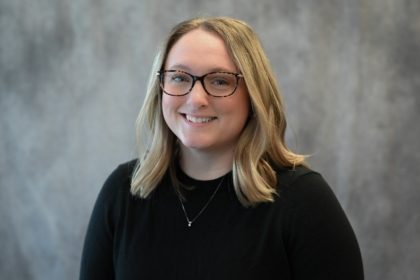 Maggie Morgan is the Special Projects Coordinator for the New York State Enhanced Multidisciplinary Team (E–MDT) Initiative at Lifespan of Greater Rochester. She provides leadership for statewide efforts to strengthen elder abuse intervention through multidisciplinary collaboration, professional development, stakeholder engagement, and systems–level partnerships. In addition to overseeing statewide conferences, retreats, and workforce development initiatives, she facilitates opportunities for professionals across New York to learn, connect, and advance best practices in elder justice. With more than a decade of experience serving older adults, Maggie has held leadership, program management, and direct practice roles across aging services, multidisciplinary teams, and long–term care. She holds a Master of Social Work degree in Interdisciplinary Health with a concentration in Geriatrics from the Greater Rochester Collaborative program between SUNY Brockport and Nazareth College.
Katina Simmons (At-Large Board Member and Chair), Membership
Paul Needham (At-Large Board Member and Co-Chair), Education
Paul Needham (At-Large Board Member and Co-Chair)
Paul Needham Has worked in the field of Adult Protective Services and Domestic Violence for 43 years. Paul retired from OKDHS in 2015, after 36 years of service, 35 of those in APS. Paul spent 21 years in the field as a front-line worker and supervisor. And from 2000 to 2015 he was the Lead Trainer and Curriculum Developer for the OKDHS APS Academies. Paul is a 1975 graduate from Oklahoma Baptist University and obtained his MBA in 1990 from Central State University (now the University of Central Oklahoma).
Mr. Needham is the:
Paul has trained thousands of professionals and para-professionals over the years on topics related to Adult Abuse and Domestic Violence including numerous presentations at NAPSA, IVAT, & the Texas APS Conferences. Prior to and after his retirement Paul has provided consulting and training in and for 28 states and 38 cities, 3 countries, and in addition to adult abuse programs Paul has worked with multiple law enforcement entities and numerous tribal nations in multiple states, and he continues to train, consult, & speak nationally and internationally for numerous APS programs and a variety of conferences.
Cathy Wood (At-Large Board Member and Chair), Regional Rep Advisory Group (RRAG)
Cathy Wood (At-Large Board Member and Chair)
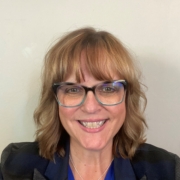
Cathy Wood is a Program Field Representative for Adult Protective Services with the Oklahoma Department of Human Services. She is a trainer for the New APS Specialist Academy and the APSS III & IV Academy. Mrs. Wood has over 20 years of experience in Adult Protective Services. She has conducted training on APS related topics for APS staff, law enforcement, the local university, tribal entities, and other community organizations. She has also presented at several state conferences. She is a graduate of East Central University with a M.S. in Psychological Services and a B.A. in Human Services Counseling, Specialization in Aging Services with a double major in Psychology.
Iris C. Freeman (At-Large Board Member and Chair), Public Policy
Iris C. Freeman (At-Large Board Member and Chair)
Iris C. Freeman, MSW, is a longtime advocacy leader in public policy for older adults. She is the Founding Board Chair of the Minnesota Elder Justice Center and remains active on its webinar faculty. As an educator, she taught Elder Justice and Policy classes to Mitchell Hamline College of Law students from 2008-2021. Earlier, she taught Community Practice, Advanced Community Organizing, and Advocacy courses at the University of Minnesota Graduate School of Social Work from 2003-2008.
In 2002, she was honored by the School of Social Work as its Alumna of the Year and in 2010 as a Distinguished Alumna of the University’s College of Education and Human Development. In 2011, she was selected by The Consumer Voice to receive the Elma Holder Founder’s Award for leadership in long-term care. In 2012, she was named a Leader in Public Policy by the Capitol Report/Politics in Minnesota journals. She received the 2015 National Adult Protective Services Association’s award for Advancing the Field through Collaboration in recognition of forty years work to build coalitions for elder justice. She and her husband, Warren Woessner, were honored for their leadership by the Minneapolis Legal Aid Society in 2019.
Ms. Freeman directed the Advocacy Center for Long-Term Care for over 20 years and was Director of Public Policy at the Alzheimer’s Association, Minnesota-Dakotas Chapter from 2000-2003. She has brought long-term care consumer perspectives to state and local working groups and lawmakers since the 1970’s as staff in these organizations and, later, as a public policy advisor to seniors’ and labor organizations. Throughout, she has served on numerous local and national boards and advisory committees. These currently include the National Adult Protective Services Association Board of Directors, where she serves as Secretary and Chair of the Public Policy Committee.
January 2026
Meet NAPSA’s
Dorian Long, Northeast I
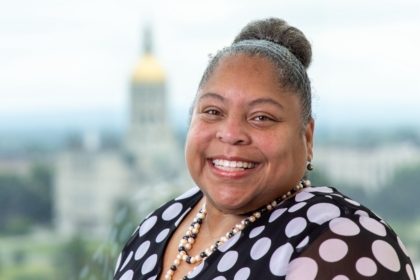 Dorian Long is the Director of the Social Work Services Division at the Connecticut Department of Social Services. She has experience in working with a variety of special populations, including elders, persons affected by family violence, and individuals with disabilities. She has responsibility for the following programs:
Nancy Alterio, Northeast I
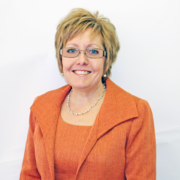
Nancy A. Alterio serves as the Executive Director of the MA Disabled Persons Protection Commission (DPPC). Before her employment at DPPC, Nancy spent over fifteen years in the private, not for profit sector assisting persons with disabilities in meeting their vocational, medical, financial, social and housing needs. Nancy is a founding member of the Building Partnerships for the Protection of Persons with Disabilities Initiative (BPI) and is co-chair of the steering committee. In partnership with BPI, Nancy assisted in the development of training curricula and videos to educate service providers, law enforcement, persons with a disability and others on effectively recognizing, reporting and responding to abuse and crime committed against persons with disabilities. Nationally, Nancy has served as the Northeast I Regional Chair, Membership Chair, Resource Center Advisory Committee Member and President of the National Adult Protective Services Association (NAPSA). Nancy chaired the NAPSA Adult Protective Services (APS) Abuse Registry Ad-Hoc Committee formulating a national report on APS Abuse Registries which was finalized March 2018. Through the Office of the Administration for Community Living (ACL), Nancy was invited to take part in the first Working Group for the National Adult Mistreatment Reporting System (NAMRS) in the development of a national APS data system in 2014. In 2016, ACL invited Ms. Alterio to serve on the Expert Working Group to finalize the first-ever APS federal Guidelines. She continues to serve on many committees and boards including the Massachusetts Sexual Assault Nurse Examiner Program, the Governor’s Council to Address Sexual Assault and Domestic Violence and Chair of the Self-Determination Advisory Board. Nancy has presented locally, statewide, nationally and internationally on matters relating to APS. To enhance protection of persons with a disability who are victims of abuse and crime, Nancy has assisted with the drafting, filing and passage of state and federal legislation. In 2015, Nancy was elected to the Holbrook School Committee and currently serves as Chair.
Alan Lawitz, Northeast II
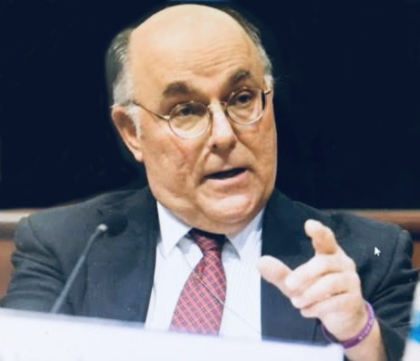 Alan served as Director of the Bureau of Adult Services of the New York State Office of Children and Family Services from November 2007 through December 2019 . The Bureau oversees the Protective Services for Adults and the Family Type Home for Adults programs. Alan previously was an Associate Attorney for the New York State Department of Health, heading up the Long-Term Care Group of the Bureau of House Counsel, and dealing with legal issues relating to Assisted Living, Adult Care Facilities, Nursing Homes, and Home Care, among other areas. He also previously served as a Senior Attorney for the former New York State Department of Social Services, representing the agency in the areas of Protective Services for Adults, Adult Care Facilities/Assisted Living and Homeless Housing, serving as counsel to the Homeless Housing and Assistance Corporation. He is a 1977 graduate of Columbia College, Columbia University (B.A.) and a 1980 graduate of the Syracuse University College of Law (J.D.)
Since his retirement from State service, Alan continues to serve as NAPSA’s North East II (NE2) Regional Representative and is a member of NAPSA’s Ethics Committee.
Mario Wawrzusin, Northeast II
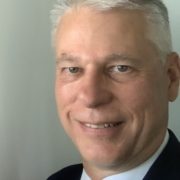 Mr. Wawrzusin has worked with the Montgomery County Department of Health and Human Services, Aging & Disability Services, for 30+ years. His experience includes serving as a clinical case manager in Adult Protective Services (APS), Public Guardianship, and care management for 15 years. Additionally, he has served as a Supervisor and Administrator of Adult Services and APS. His current duties include administration, training, community outreach, program development, continuous quality improvement and partnering with key members of the community. He has been a member and leader of the Montgomery County Elder/Vulnerable Adult Abuse Task Force since 2011; Chair/Co-Chair, of the nationally recognized, local World Elder Abuse Awareness Day. He’s an active member of the National Association of Social Workers (NASW) – Maryland NASW Aging Committee, the National Adult Protective Services Association (NAPSA), and is a member of NAPSA’s Education Committee. He has received several national team awards, as well as state, county and non-profit awards for his disaster/mass-care/sheltering, community service and leadership work. He has presented at several NAPSA national conferences, state workshops, a national webinar and local senior programs on adult protective services.
Cathy Bahadur, Southeast
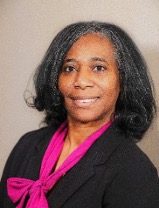 Cathy Bahadur is the Section Manager of the Georgia Adult Protective Services (APS) Program overseeing its daily operations. Cathy has worked in the Social Services field for over 26 years and has worked with the disabled and elderly populations for 23 years. She has worked in several roles in the Georgia Division of Aging Services where she has provided training to numerous staff members and community partners. For five years, she served on the advisory board with the Georgia Advocacy Office. She is currently the Regional Representative for NAPSA’s Southeast region. She received her bachelor’s degree in social work from Clark Atlanta University.
Renee Bouchillon, Southeast
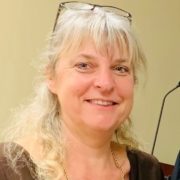 Renee Bouchillon is the Director of the Tennessee Adult Protective Services (APS) program. She has over 20 years of experience protecting vulnerable adults from abuse, neglect, and financial exploitation. She leads with a shared vision that no one agency alone can protect our vulnerable adults; it takes a collaborative effort. She excels at developing and implementing strategic goals to improve program efficiency, customer service, policy compliance, and to identify gaps and areas of improvement. She successfully developed a statewide team of nineteen (19) state agencies that work to streamline services to protect Tennessee’s vulnerable adults. Her accomplishments include the restructuring of the APS Program through data analysis to determine staffing patterns and caseload trends and improved efficiency by streamlining processes. Ms. Bouchillon has a MA in counseling from Trevecca Nazarene University and an MBA from Middle Tennessee State University.
Carmen Castaneda, Central
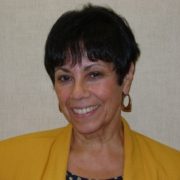 Carmen Castaneda, MSW, LICSW, has been the Program Manager of Hennepin County Adult Protection Services in Minneapolis, Minnesota for the past 25 years. She has managed several adult behavioral health programs, including Forensic Case Management Services and a mobile crisis response team. For 15 years, she served on the Board of Directors of the National Adult Protective Services Association, and currently is the NAPSA Regional Representative for the Central States. Ms. Castaneda is a member of the Minnesota Security Hospital Liaison Committee, the Hennepin County Sexual Assault Multi-Disciplinary Response Team, the Vulnerable Adult Justice Project, and is Chair of the Adult Protection/Law Enforcement Team. She is a frequent speaker on the Vulnerable Adult Law, guardianship/conservatorship, civil commitment proceedings, and forensic case management services. She is the recipient of several awards relating to her work in investigating and preventing elder abuse.
Heidi Turner-Stone, Central
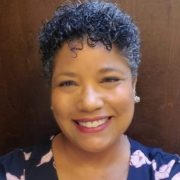 Ms. Turner-Stone has worked in Human Services in Ohio for more than 30 years. Her state-level team works closely with county APS staff to ensure proper implementation of mandates and best practices and improving collaborative efforts among service providers. Ms. Turner-Stone has a BA from Bowling Green State University, and an MA from The Ohio State University.
Cassie Lindquist, Mountain
Chrisy Khatib, Mountain
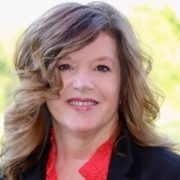 Chrisy Khatib is the Deputy Director for Adult Protective Services for the State of Kansas. She leads the statewide DCF Adult Protective Services team, comprised of ninety-six staff whose role is to support and/or investigate allegations of abuse, neglect, and/or financial exploitation of vulnerable adults. She led the revision of the 2021 Adult Protective Services statutes and testified on behalf of HB 2151, creating Kansas elder and dependent adult abuse multidisciplinary teams and a coordinator. Her 202 projects include supporting the state-wide adoption of IDA, Interview for Decisional Abilities, from Weill Cornell Medical. Kansas will be adopting the semi-structured tool to be completed during APS assessments.
Prior to Adult Protective Services, Chrisy was employed as a Program Consultant the Kansas Department for Aging and Disability Services (KDADS). At KDADS, she was the State of Kansas Substance Use Disorder Treatment Women’s Designee, the State lead for the implementation of Screening, Brief Intervention, and Referral for Treatment (SBIRT) Medicaid codes, a member of the Behavioral Health Services Programs and Policy team and led initiatives for Recovery Oriented Systems of Care.
Chrisy has been a licensed Social Worker and Addictions counselor for the last 25 years.
Cathy Wood, Southwest
Cathy Wood is a Program Field Representative for Adult Protective Services with the Oklahoma Department of Human Services. She is a trainer for the New APS Specialist Academy and the APSS III & IV Academy. Mrs. Wood has over 20 years of experience in Adult Protective Services. She has conducted training on APS related topics for APS staff, law enforcement, the local university, tribal entities, and other community organizations. She has also presented at several state conferences. She is a graduate of East Central University with a M.S. in Psychological Services and a B.A. in Human Services Counseling, Specialization in Aging Services with a double major in Psychology.
Corey Roybal, Southwest
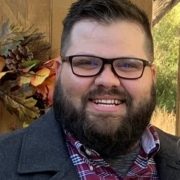 Corey Roybal serves as the Division Director for Adult Protective Services (APS) within the Aging and Long-Term Services Department for the State of New Mexico. Corey’s career began with working with victims of violent crimes, where he developed a deep passion for advocacy and public service. He later transitioned to APS, starting as a field investigative caseworker and steadily advancing through the roles of supervisor, regional manager, deputy director, and now, division director. Throughout his career, Corey has remained dedicated to protecting the safety and well-being of vulnerable adults. His leadership is guided by a commitment to continuous improvement, accountability, and collaboration with community partners to strengthen the state’s response to abuse, neglect, and exploitation. Corey holds a bachelor’s degree in criminology from the University of New Mexico.
Emma Lam, West I
 Emma Lam is a licensed clinical social worker with over 10 years of experience working in the San Francisco community. Since 2024, Emma has served as an Adult Protective Services Supervisor, providing leadership and support to vulnerable populations. Passionate about advocacy and social justice, Emma is dedicated to improving the well-being of those in need through compassionate and effective care.
Russ Jones, West I
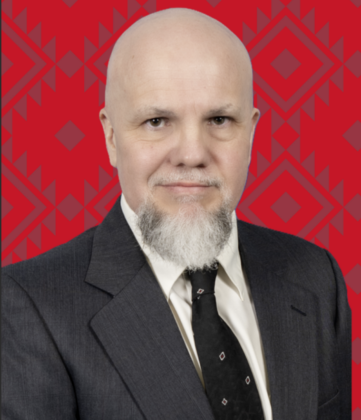 On April 14, 2025, Russ Jones joined the Oregon Department of Human Services, Office of Aging and People with Disabilities, as the Adult Protective Services (APS) Administrator. In this role, Russ oversees abuse reporting, investigations, and safety efforts for older adults and people with disabilities. He works closely with local offices, law enforcement, community partners, and Oregon’s nine federally recognized Tribes.
Russ comes to Oregon with 25 years of experience at the Oklahoma Department of Human Services, including 21 years in Adult Protective Services. He most recently served as the APS District Director for the Tulsa area and surrounding counties. Throughout his career, Russ has worked in many roles, from investigator to supervisor, and has collaborated with Tribal Nations and community safety teams.
He holds degrees in medical technology and history, is a Certified Public Manager, and has a Lean Six Sigma Green Belt.
Sandra Jenkins, West II
Sandra Jenkins currently oversees the Adult Protective Services unit for the state of Alaska, a position she has held since 2018. Mrs. Jenkins has been in the protective services field for 15 years; 12 of which have been with the State of Alaska starting with APS in 2009. She has dedicated the last 37 years to working with vulnerable populations. Mrs. Jenkins’ social services experiences range from working with adults with mental illness and/or developmental delays as a clinician and case manager, disabled adults and children and their families, adult’s with Aids and HIV, homeless youth, crisis intervention for those at risk of suicide and the protection of Vulnerable adults and children. She holds a master’s degree in Human Relations from the University of Oklahoma and a bachelor’s degree in Human Services from Western Washington University.
Robin Tejada, West II
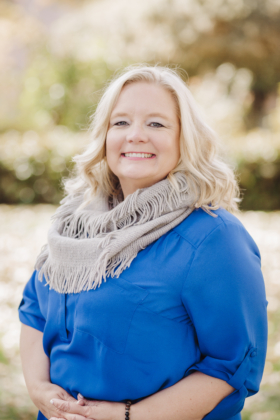 Robin Tejada has been with the State of Nevada Aging and Disability Services Division (ADSD) for over 18 years and is the Adult Protective Services (APS) Social Services Manager for the Northern Nevada. Ms. Tejada previous roles include the Quality Assurance Manager for APS and the State Long Term Care Ombudsman program, Social Work Supervisor and Social Worker for ADSD’s Community Based Care unit. Ms. Tejada received a Bachelor of Arts degree in Social Work from the University of Nevada, Reno and received a Master of Science in Education -Counseling from the University of Nebraska, Kearney. Ms. Tejada is a licensed social worker.
Jennifer Spoeri, Executive Director
Jennifer Spoeri is the Executive Director of the National Adult Protective Services Association (NAPSA), a position she has held since August 2021. With over 18 years of experience in Adult Protective Services (APS), Jennifer brings a wealth of expertise in program development, leadership, and advocacy for vulnerable populations. Prior to her role at NAPSA, she served as the APS Director in Philadelphia, PA, where she led the city’s APS program and secured one of the first VOCA (Victims of Crime Act) grants designated for APS.
Jennifer has long been a dedicated advocate for the APS community, having served on NAPSA’s Board of Directors for five years before assuming her current role. As Executive Director, she has served on numerous advisory boards, led several major grants, and played a pivotal role in the creation and development of the National APS Training Center.
She holds a bachelor’s degree in Psychology from the University of Kentucky and a master’s degree in Gerontology with a concentration in Healthcare Administration from Notre Dame of Maryland University.
Michael Hagenlock, Chief Financial Officer
Tamesha Squire, Director of Development, Events, Marketing
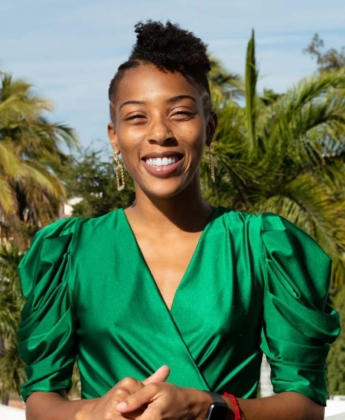 Tamesha Squire is the Director of Development, Events, and Marketing for the National Adult Protective Services Association (NAPSA). She is a proud small-town country girl from Emporia, Virginia. Tamesha is a Certified International Event and Wedding Planner, Certified Event Decor Professional, and Virtual Events Pro. She earned a Bachelor of Science degree in Human Development and Family Studies with a minor in Sociology. This all speaks to her passion for people and relationship-building.
Tamesha has planned and coordinated events across the nation. Over the last 10 years, she’s managed events in the education, higher learning, entrepreneurship, hospitality, non-profit, tech and aviation industries. Events are a big part of who she is; as she believes high-caliber experiences are what get us through our personal and professional challenges.
In her free time, she likes to plan, read, choreograph, create, travel, and spend time with her loved ones. When she’s not doing that, she enjoys planning intimate weddings and exclusive executive retreats.
Esther Thorpe, Administrative Project Coordinator
Jillian Abrams, Communications & Marketing Coordinator
Jillian Abrams is the Communications & Marketing Coordinator for the National Adult Protective Services Association (NAPSA), and she came to this role by way of the work itself.
Born in Greensboro, NC and proudly rooted in her Guyanese heritage, Jillian holds a Bachelor of Science in Recreation and Parks Management with a Minor in Spanish. She went on to become a Licensed Recreation Therapist and Certified Therapeutic Recreation Specialist (LRT/CTRS), spending years working hands-on with elders and adults with disabilities in behavioral health and senior living environments, giving her something textbooks can’t teach: a genuine connection to the people NAPSA exists to serve.
Before joining NAPSA, she spent nearly ten years expanding her marketing expertise through brand collaborations and content strategy, building a sharp sense of what moves audiences and drives engagement. Now she brings it all together, managing multi-platform content, newsletters, event marketing, and strategy, with one goal: making sure the work NAPSA does gets the visibility it deserves.
When she’s not crafting content, you’ll find Jillian exploring new places, reading, strength training in the gym, and spending quality time with her family and loved ones, including her cat, Boo.
Katie Wilson, Director of Training and Education
Katie Wilson is the Director of Training and Education for the National Adult Protective Services Association. In this role, she designs and develops e-learning courses for new and tenured APS professionals across the US. Prior to this role, Katie worked for Texas APS, starting as an APS worker and later becoming a trainer and curriculum developer with the APS training department. Katie has worked in the protective services field for over 18 years. She graduated from the University of San Antonio with an M.S. in Mental Health Counseling, with a specialization in grief counseling, and a B.S. in Psychology from Texas State University. When Katie is not working, she enjoys trail running, playing video games, and volunteering with the local wildlife rescue.
Kelly Wood, Instructional Designer
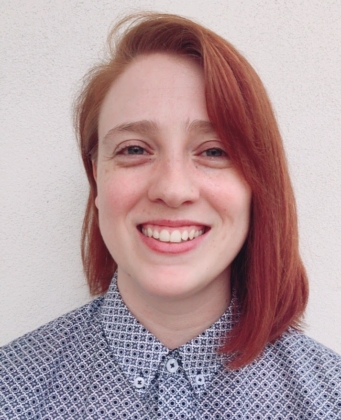 Kelly Wood is the Instructional Designer of the National Adult Protective Services Association (NAPSA). With over a decade of experience in adult education, she creates learning experiences on a diverse range of subjects with a focus on accessible, evidence-based skill development.
Kelly began her career at Hewlett-Packard, and later transitioned to health and human services, contributing to organizations including the National Alliance on Mental Illness (NAMI), San Diego State University Research Foundation (the Academy), and National Association of State Workforce Agencies (NASWA).
Kelly graduated from the University of California San Diego with a Bachelor’s in Studio Art.
Bill Benson, National Policy Advisor
Bill Benson serves as National Policy Advisor to the National Adult Protective Services Association. He has worked in the aging field for more than 4 decades at the local, state and national levels including as a State LTC Ombudsman, Senior Congressional Staffer in both the U.S. Senate and the House of Representatives, and a political appointee at the U.S. Administration on Aging including as the Acting Assistant Secretary for Aging. Since 1998 he has run a successful consulting practice in aging/human services and public health serving dozens of clients from the government, not-for-profit and proprietary sectors. Benson is co-founder and President of the International Association for Indigenous Aging focusing on American Indian elders. For the past 20 years he has led conversations with Holocaust survivors before live audiences at the U.S. Holocaust Memorial Museum in Washington, D.C. Benson lives outside Baltimore, Maryland, with his wife Cathy Hamel. They have 3 children.
Kendra Kuehn, Policy Analyst
Kendra Kuehn, MSW, serves as a Policy Analyst and Advisor for the National Adult Protective Services Association (NAPSA). Along with NAPSA’s national policy advisor Bill Benson, Kendra provides representation at the national level including with several coalitions across the lifespan, Congressional education and advocacy, and communications with the Administration. Kendra contributes regularly to webinars, workshops, and publications for NAPSA and partner organizations. Additionally, Kendra works on behalf of organizations representing American Indian and Alaska Native elders and affordable housing service coordinators. Prior to joining Kendra served as a graduate intern at the Homeless Children’s Playtime Project and the Administration for Community Living’s Office of Elder Justice (now the Office of Elder Justice and Adult Protective Services). Kendra received her Master of Social Work from the Catholic University of America’s National Catholic School of Social Service.


